


How to Dry a Large Area Rug Without Ruining It: Smart Tips Every Home Needs
No matter if you choose soft hand-tufted wool rugs, airy cotton rugs, rough jute rugs, or colorful hand-knotted heirlooms, large area rugs are a beautiful and useful addition to any home. But if you don't dry these big rugs the right way after a spill or deep clean, they could warp, mildew, or even become permanently damaged.
This article breaks down the safest and most effective ways to dry a large area rug, with an emphasis on American homes and the most common types of rugs used today.
Know Your Rug: Drying Methods Depend on Construction and Material

Before drying, it's essential to know what type of rug you're working with. Each material reacts differently to moisture, and drying techniques must be matched accordingly.
|
Rug Type |
Common Materials |
Construction Style |
Washability |
|
Hand-Tufted Rugs |
Wool, Viscose, Blends |
Pile glued to canvas |
Not machine-washable |
|
Hand-Knotted Rugs |
Wool, Silk, Cotton |
Intricately woven by hand |
Usually hand washable |
|
Cotton Rugs |
100% Cotton |
Flatweave or braided |
Often machine washable |
|
Wool Rugs |
100% Wool or blends |
Tufted or woven |
Gentle wash or spot clean |
|
Jute Rugs |
Natural Jute Fibers |
Flatwoven |
Not water-safe |
|
Outdoor Rugs |
Polypropylene, PET |
Machine-made |
Hose-friendly, quick-dry |
|
Indoor Rugs |
Various |
Any style |
Varies by material |
Step 1: Blot Out Excess Moisture Immediately

Once the rug is wet, the first step is always moisture removal:
- Use clean, absorbent towels to blot the rug without rubbing.
- For high-pile or thick rugs, a wet/dry vacuum can efficiently extract water from the fibers.
-
Avoid wringing or twisting any rug especially wool or hand-tufted types as it can weaken the fibers and damage the structure.
Step 2: Select the Right Drying Method

Letting things dry in the open air outside is best for outdoor rugs made of cotton.
- If you can find a clean, shady place outside:
- Spread the rug out flat on a clean, dry surface, like the ground or a tarp.
- Wool, silk, or hand-knotted rugs should not be in direct sunlight so that the color doesn't fade.
- Flip the rug over every so often so that both sides can dry at the same rate.
- You can dry hand-tufted, jute, and high-end rugs inside.
If you can't dry outside, do the following:
- Put up fans, open the windows, and use dehumidifiers to get more air moving.
- Put a drying rack, mesh trays, or bricks under the rug to raise it and let air flow under it.
- While you're drying, don't dry directly on hardwood or laminate floors. The water can move around and make things worse.
Towel and Blanket Method (Useful for Hand-Tufted and Wool Rugs)

Layer absorbent towels or dry blankets on both sides of the damp area. Replace them every couple of hours until most moisture is pulled out. This method helps avoid saturation of backing layers, especially with hand-tufted rugs, which can be damaged by excess water.
Mistakes to Avoid
- Never use high heat (hairdryers, space heaters, or dryers) as this can shrink or distort rugs, especially wool and hand-tufted types.
- Don’t hang wet rugs over railings or clotheslines—this can stretch the structure and distort the rug’s shape.
- Avoid placing plastic sheets beneath the rug while drying; this traps moisture and leads to mildew or odor.
Frequently Asked Questions
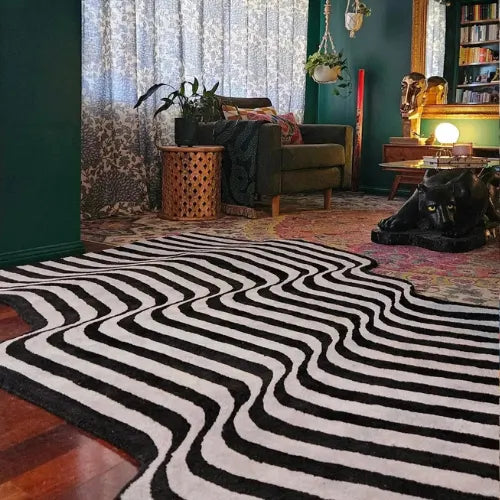
Can I dry a hand-tufted rug after cleaning it?
Yes, but be careful when you do it. Hand-tufted rugs have an adhesive back that can come apart if it gets too wet. If you can, clean the spots only, and don't use full saturation. Instead, use fans or blotting.
How long does it take to dry a large wool rug indoors?
Most of the time, it takes 24 to 48 hours. The time frame depends on the pile's thickness, humidity, and how well air flows through it. You can speed up the process by using more than one fan and turning the rug over.
Are jute rugs safe to dry if they get wet?
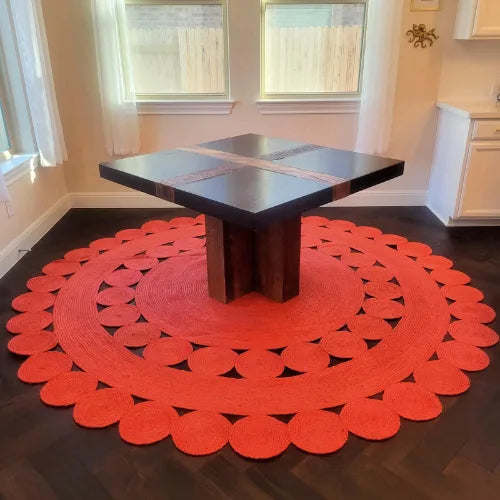
Jute soaks up a lot of water and mildew easily. If it gets wet, dry it right away with fans and air flow. But soaking them for a long time may damage the fibers permanently. When cleaning jute, it's best to use little water and only clean the surface.
Cleaning Considerations Before Drying
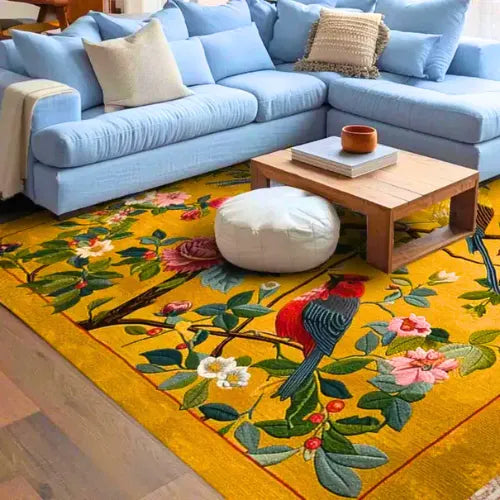
Different rugs require different cleaning methods, and the drying process should align accordingly:
- Hand-knotted rugs should not be soaked. Instead, use foam or spot cleaning for dry cleaning. To dry, only use towels and air flow.
- Clean wool rugs with a mild solution that has no pH. Lightly rinse, and use a wet vacuum to get rid of any extra water.
- Small cotton rugs can be washed in a machine, but they should always be laid flat to dry so they don't curl or warp.
- Never put a jute rug in water. Only clean the surface, and let it dry quickly with a lot of airflow.
- Hand-knotted rugs: If you need to, you can wash them by hand gently, but be careful with dyes and dry them inside to protect the natural fibers.
Quick Rug Drying Checklist
- Find the type of rug and its material.
- Blot or vacuum up the extra water to get rid of it.
- Lay the rug flat so that air can flow on both sides.
- If you have delicate fibers, stay out of the sun and heat.
- To dry things faster, use fans, towels, or dehumidifiers.
- Halfway through, turn or flip the rug.
- While it dries, stay off of wood or laminate floors.
Final Thoughts

Learning how to dry a large area rug without ruining it can save you from costly damage, especially with specialty styles like hand-tufted, jute, or wool rugs. The key is matching your drying method to the rug’s construction- whether you're dealing with high-traffic indoor rugs or moisture-resistant outdoor types.
When in doubt, always on the side of caution and consult a professional for deep-cleaning or water-damage recovery.
For homeowners with luxury hand-tufted and hand-knotted rugs, Maia Homes offers an inspiring collection of artisan pieces—and proper care guidance to go with them.
Share