


How to Install a Rug Runner on Stairs: Guide for Hallway, Kitchen, and Bedroom Runners
To put a rug runner on stairs, you need to be careful, plan ahead, and know about different materials and building surfaces. The basic steps are the same whether you're working with hand-tufted runner rugs or soft wool runner rugs for bedrooms. Installing something correctly not only makes it look better, but it also makes it last longer and grip better.
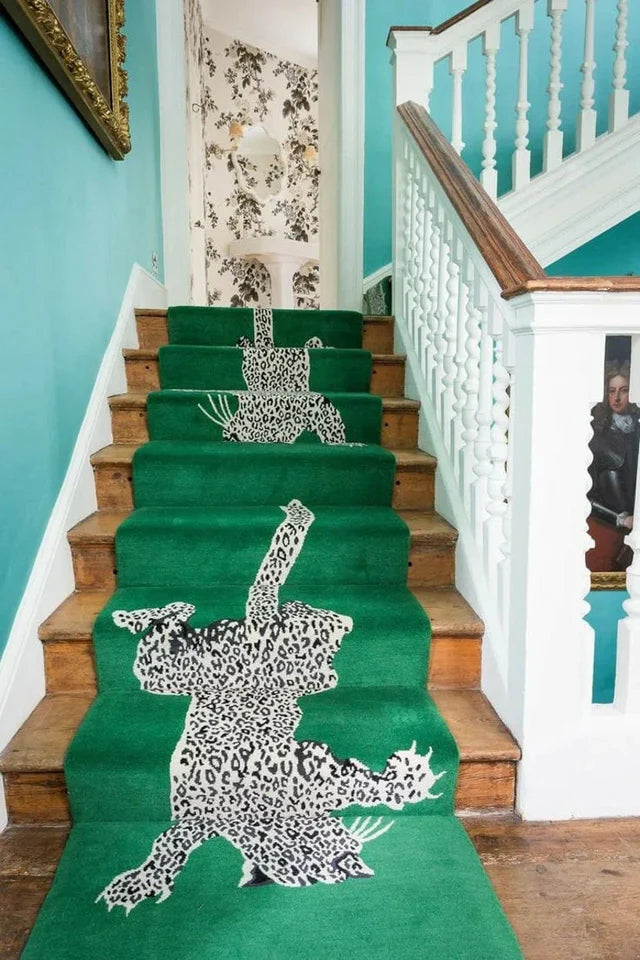
What You Need: Tools and Materials
- Tape measure.
- Cutlery.
- Strong glue sticks or rug tack strips.
- Pad for the rug (it shouldn't slip).
- Tape for carpet that has two sides.
- Tool for stairs or a step chisel.
- You will need a hammer and nails to use tack strips.
Step-by-Step Installation: Stair Runner Rugs
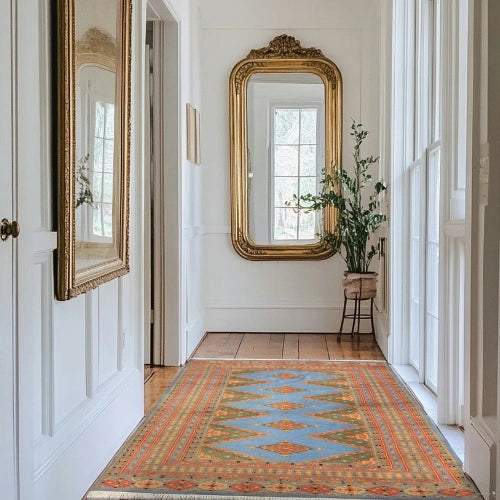
1) Measure the Runner and Staircase: Find out how high and how far your stairs go. The tread (the part that goes across the stairs) is usually 10 inches deep, and the riser (the part that goes up and down the stairs) is usually 7 inches high. To find out how long your runner needs to be, multiply these numbers by the number of steps. Always add two to three inches to each step to account for curves and tucks.
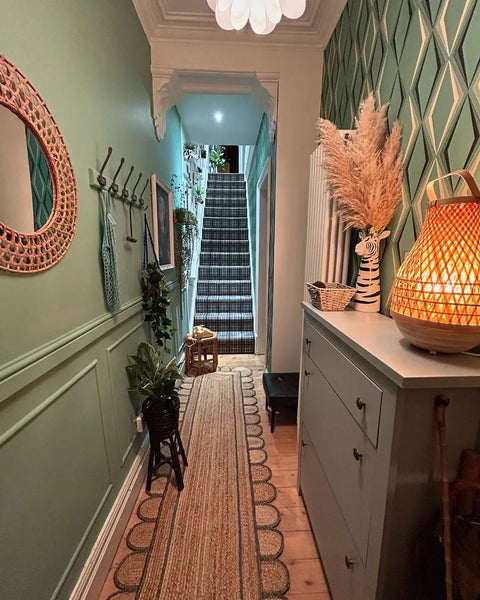
2) Cut and Prepare the Runner: Pick the runner rug based on its width and material. Narrow runner rugs (26 to 32 inches) are best for stairs because they leave room on both sides. Hand-tufted runner rugs should have latex and canvas on the back to keep them from fraying. To cut, use a straight edge and a utility knife if you need to trim.
3) Add a Rug Pad: Cut pieces of non-slip rug pad to fit each tread. These keep the rug and stairs safe and stop people from slipping. Leave a space of about an inch around the edges to hide them.
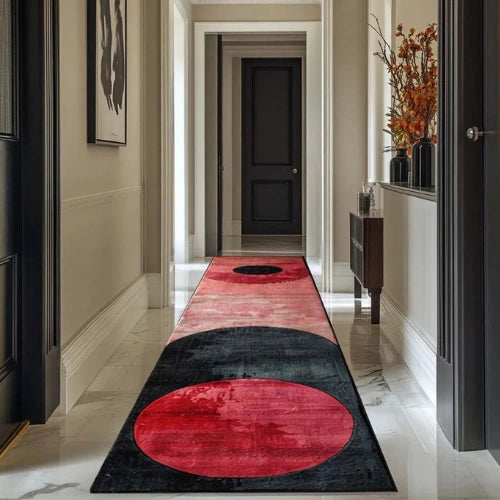
4) Position the Runner: Start at the top stair. Center the runner, leaving equal spacing on both sides. Use painter’s tape to temporarily hold it in place while checking alignment.
5) Staple Under the Nose: Staple the rug underneath the stair nosing (overhang) to anchor it securely. Use a stair tool to press the rug tight into each corner.
6) Track the Riser and Tread: Moving step-by-step, use staples or tack strips on the riser (bottom of each step) and tread (flat part) edges. Make sure to pull the runner tightly before each staple. Avoid placing staples in the center of the treads.
7) Finish Neatly: When you reach the bottom, fold the edge of the runner under itself to create a clean seam, then staple discreetly into place.
Selecting the Right Runner by Space
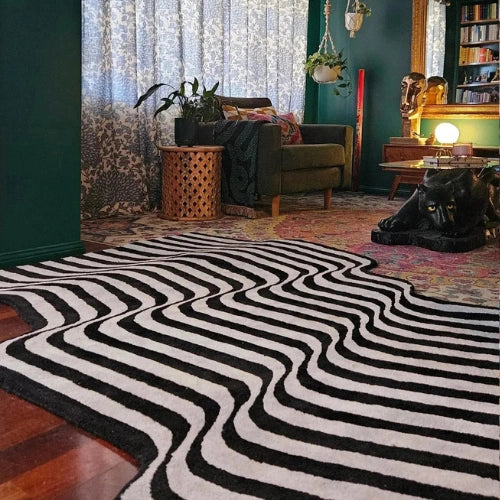
Hallway Runner Rugs
Hallways benefit from long runner rugs to guide traffic and soften acoustics. For stability, opt for non-slip runner rugs with a low to medium pile height (0.25–0.5 inches). Choose durable weaves, especially in high-traffic zones.
Kitchen Runner Rugs
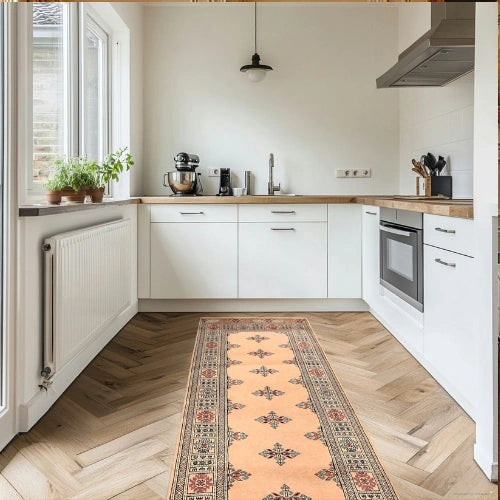
Kitchens need moisture-resistant and tightly woven rugs. Use narrow, flat-woven kitchen runner rugs made of wool or wool-blends. Place near the sink or prep station and secure with rug pads. Avoid high pile or fringed edges.
Bedroom Runner Rugs
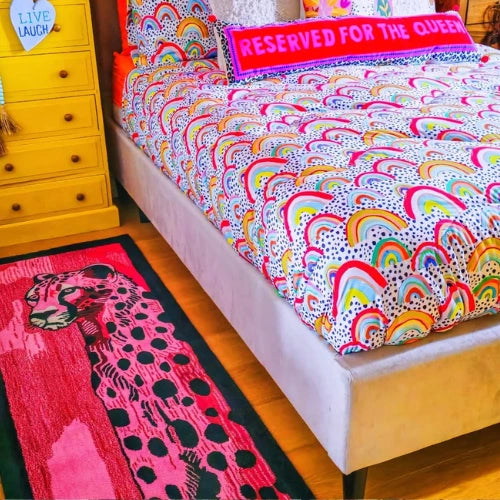
Bedroom runner rugs are used on either side or at the foot of the bed. Soft wool runner rugs for bedrooms enhance comfort. Hand-tufted versions add luxury and insulation. Look for colors and pile types that complement your primary bedroom rug.
Entryway Runner Rugs
Entryway runner rugs handle dirt and shoes. Use non-slip backing and select low-pile hand-tufted or synthetic blend runners for easy vacuuming. Durability and design both matter here- aim for tightly constructed warp and weft alignment.
Runner Rug Construction Details
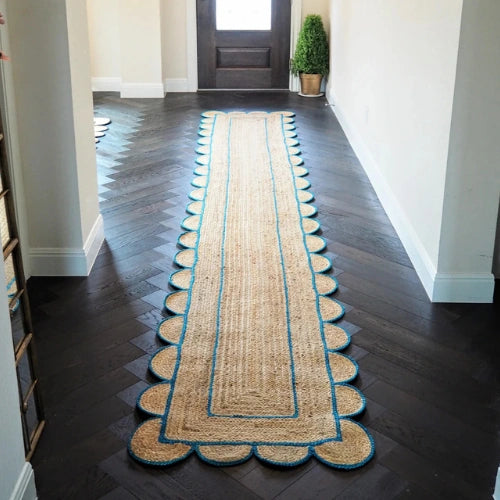
Understanding how your rug is made helps determine its performance:
Hand-Tufted Runners
These are constructed by punching yarn into a canvas stretched on a frame, backed with latex and finished with shearing. Not as long-lasting as knotted rugs but ideal for aesthetic-focused indoor spaces.
Pile Height
Lower pile (below 0.5 inches) is recommended for staircases and kitchens. Higher piles feel plush but may compress with time in high-traffic zones.
Fiber Type
Wool remains the top choice for durability, stain resistance, and comfort. Synthetic blends (like viscose or polyester) may look appealing but are less resilient.
Backing
Always inspect the rug’s backing. Quality latex application holds tufts securely. Cotton canvas increases structure and reduces curling.
Mini FAQs

What is the standard size of a runner rug?
Standard runner rugs range from 2 to 3 feet in width and 6 to 14 feet in length. Stair runner rugs are usually 26 inches wide.
What size is a kitchen runner rug?
Kitchen runners commonly measure 2.5 feet by 7 feet. Choose a length that fits comfortably between cabinets or island structures.
Should a runner match an area rug?
Not always, though. Coordinating by color scheme or texture is best, but not having to be exact matches is not necessary. When it comes to hand-tufted and bedroom runner rugs, variation makes the design more interesting.
How to Do Maintenance
- Wipe down the fibers once a week to keep dirt from building up.
- Clean spots with a mild soap that won't hurt wool.
- Every six to twelve months, switch out your runners for new ones.
- Don't leave things in direct sunlight for too long, or the colors will fade.
Final Thoughts
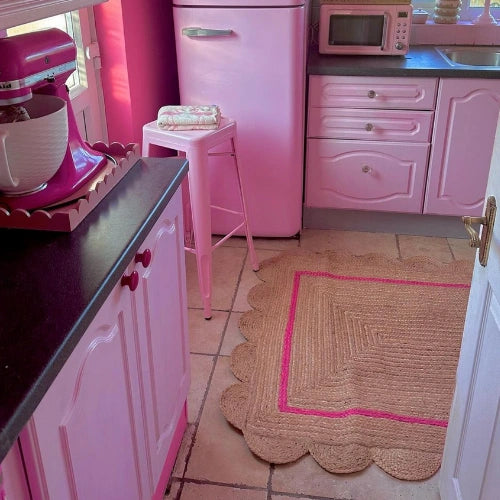
Rug runners are useful design elements that make rooms more comfortable and safe, whether they are used on stairs, in bedrooms, kitchens, or hallways. Choosing the right construction (like hand-tufted runner rugs) and installation methods will make sure that the rug looks good and lasts a long time. Think about the type of traffic, fiber type, pile height, and backing before you buy. Also, be careful when you install it.
Make the paths in your home as beautiful as the rooms they lead to.
Share