


How to Tell if a Rug is Hand Knotted
Determining whether a rug is hand knotted isn't always easy at first glance. But understanding a few technical aspects of construction and materials can provide clarity. Let’s dissect the features that define authentic hand knotted rugs.
Examine the Back of the Rug
The reverse side of a rug is the most telling.
-
Symmetry: On a hand knotted rug, the design on the back is almost as clear as the front.
-
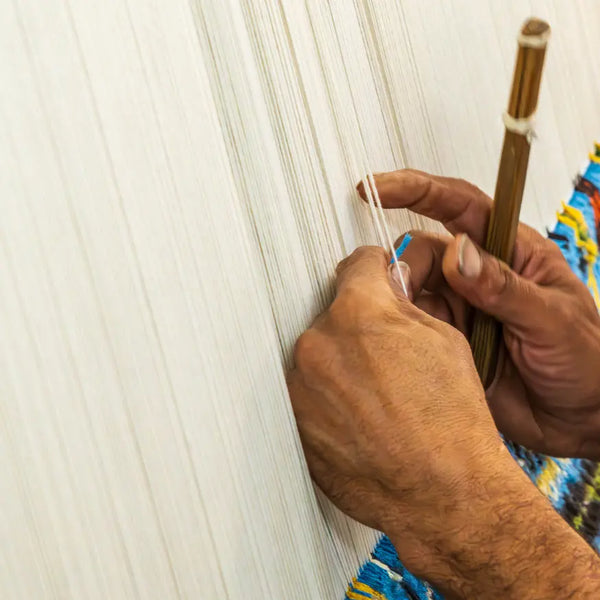
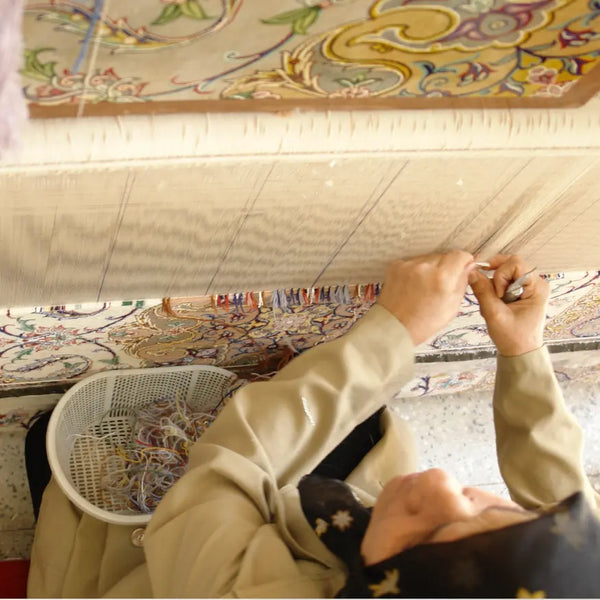
Knots: Each knot is individually tied to the warp threads.
-
No backing: Unlike machine-made or tufted rugs, hand knotted rugs don’t have a glued or canvas backing.
"Each knot is part of the structure. You’re looking at the skeleton of the rug itself."
Check the Fringes
Fringe in hand knotted rugs is an extension of the warp yarns — not sewn or glued on.
-
A sewn-on fringe often indicates a machine-made or hand-tufted rug.
-
Hand knotted fringes will run continuously through the entire rug length.
Ever noticed fringe on both sides? That’s a typical hallmark of knotted rugs.
Understand the Knot Density
Knot density, often measured in KPSI (knots per square inch), is a defining metric.
|
Knot Density (KPSI) |
Quality Level |
|
< 100 |
Coarse |
|
100 - 200 |
Medium |
|
> 200 |
Fine / High Quality |
Higher knot density generally means:
-
Better durability
-
More intricate patterns
-
Higher value
Knot density? It matters more than you think.
Warp and Weft Inspection
-
Warp: Vertical threads forming the rug's foundation.
-
Weft: Horizontal threads interwoven after each row of knots.
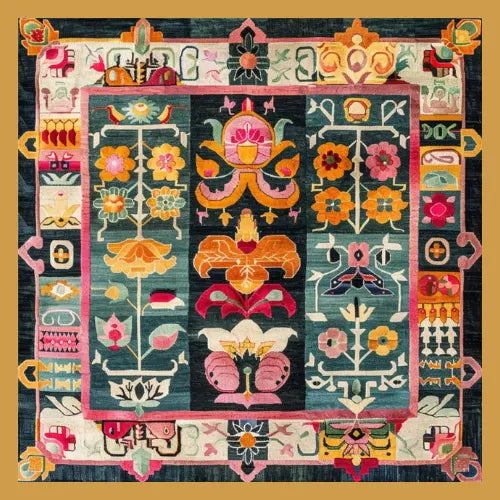
Hand knotted rugs use natural fibers like:
-
Wool (especially from New Zealand or Himalayan sheep)
-
Silk (for Persian rugs and finer artisan rugs)
-
Cotton (for structure and shape retention)
Look at the Pattern Precision
-
Imperfections: Minor irregularities suggest manual craftsmanship.
-
Perfect symmetry: Usually a sign of machine precision.
-
Color variation: Known as abrash, this is common in handmade rugs due to natural dye absorption.
Weight and Thickness
Hand knotted rugs are typically heavier due to their dense construction.
|
Rug Type |
Weight per m² |
Typical Pile Height |
|
Hand Knotted |
3.5 - 5.5 kg |
8-12 mm |
|
Hand Tufted |
2 - 3.5 kg |
10-15 mm |
|
Machine-Made |
1.5 - 3 kg |
6-12 mm |
Burn Test: A Last Resort
Not recommended unless you're willing to sacrifice a strand, but:
-
Wool: Burns slowly and smells like hair
-
Synthetic: Melts and smells like plastic
Note: This should only be done by experts or in non-visible parts.
How Long Do Hand Knotted Rugs Last?
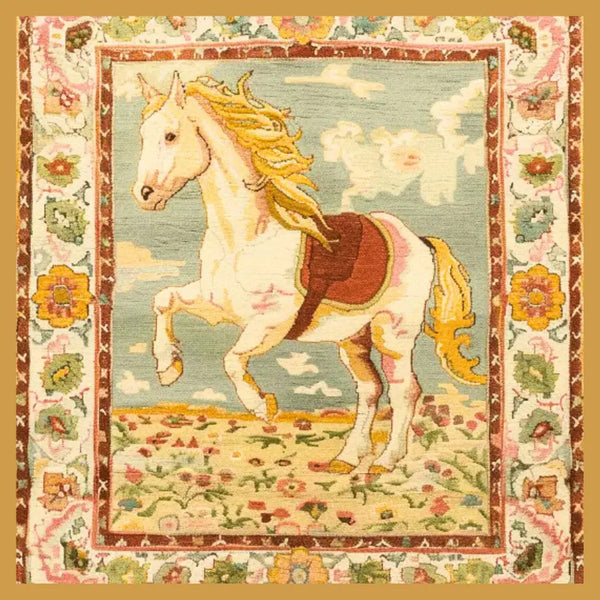
A true hand knotted rug, especially one made with high-quality wool or silk, can last 50 to 100 years, even longer with proper care.
Contributing factors:
-
Quality of knotting
-
Type of fiber
-
Foot traffic level
-
Maintenance frequency
What Makes a Hand Knotted Rug Valuable?
-
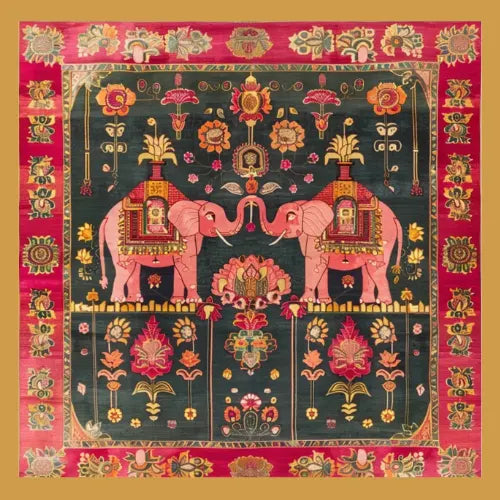
Knot density: More knots, more value.
-
Material: Pure silk or wool increases worth.
-
Origin: Persian, Turkish, Afghan and Indian regions known for fine weaving.
-
Age: Vintage or antique handmade rugs often fetch higher prices.
-
Artisan skill: Master weavers influence aesthetics and durability.
Hand Knotted vs. Hand Tufted: Quick Comparison
|
Feature |
Hand Knotted |
Hand Tufted |
|
Method |
Knots tied manually |
Loops punched with gun |
|
Time to Produce |
Months to years |
Hours to days |
|
Durability |
50+ years |
5-10 years |
|
Backing |
No backing |
Latex/canvas backing |
|
Cost |
High |
Moderate |
Mini-FAQs
Q: Are all handmade rugs hand knotted?
A: No. "Handmade" also includes tufted and hooked rugs. Only hand knotted rugs involve actual knotting.
Q: Do all Persian rugs use knots?
A: Yes, Persian rugs are always knotted, typically using asymmetrical (Senneh) knots.
Q: Can you clean a hand knotted rug at home?
A: Light vacuuming is fine. Deep cleaning should be done by professionals.
Q: Why are some handmade rugs uneven in shape?
A: That’s a sign of hand-weaving without mechanical tension, not a flaw.
Conclusion
Learning how to tell if a rug is hand knotted takes a trained eye, but with this knowledge, you will be better prepared to evaluate quality and authenticity.
Share