


Best Rugs for Cold Floors: Wool & Hand-Tufted Guide
In the winter, cold floors are not only uncomfortable, but they also make heaters work harder, which raises your energy costs. Putting down heated rugs on cold floors is one of the easiest and best things you can do.
From wool rugs to hand-tufted rugs, knowing about the different types of materials, how they are made, and how well they insulate will help you pick the right one for your room.
This article talks about how rugs keep you warm, what kinds of materials are best for protection, and why wool and tufted rugs are best for cold places. It's cold, so why not use rugs that keep your feet warm?
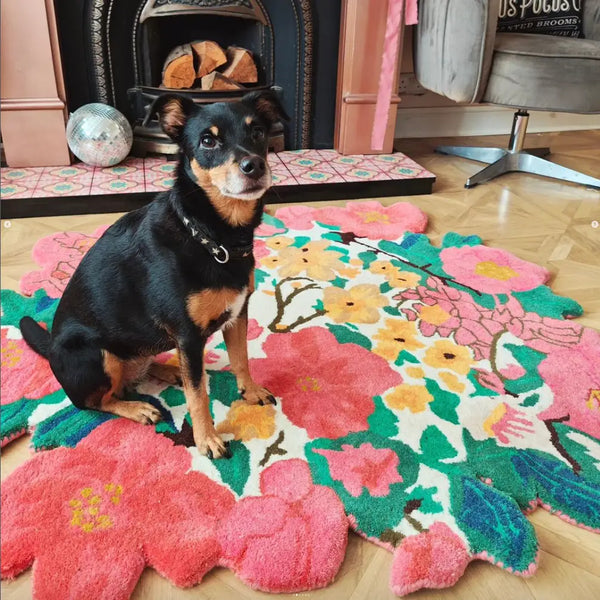
Do rugs warm up cold floors?
Yes. Rugs keep heat in by blocking heat from leaving through the floor. Area rugs protect your floors, making them warmer to the touch and the room more comfortable overall, whether you have tile, marble, or hardwood floors.
How do rugs keep a room warm?
There is space between the floor and your feet when you walk on a rug. Like insulation in walls or ceilings, this area slows down the flow of heat. The insulation works best when the fibers are dense and the pile is thick.
What Kind of Rug is Best for Cold Floors?
When looking for insulated rugs for cold floors, consider three factors: material, pile density, and backing construction.
Wool Rugs: Naturally Warm and Durable
Wool rugs are widely regarded as the warmest type of rug. Wool’s natural crimp traps air within its fibers, acting like a built-in insulator. It also resists compression, meaning it maintains its loft and warmth over time.
Benefits of wool rugs for cold floors:
-
Naturally flame-resistant and hypoallergenic
-
Excellent thermal insulation even in damp conditions
-
Long-lasting and resilient under heavy foot traffic
Example: A thick, hand-knotted wool rug in a living room not only adds style but also keeps feet warm on cold winter mornings.
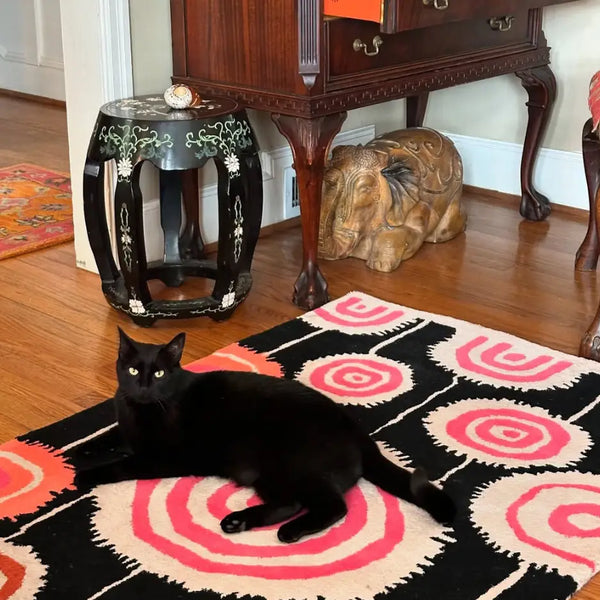
Hand-Tufted Rugs: Dense and Cost-Effective
Hand-tufted rugs are created by punching yarn through a canvas backing, producing a dense pile that feels plush underfoot. Although they are less labor-intensive than hand-knotted rugs, they still offer excellent warmth for cold floors.
Why hand-tufted rugs are ideal for cold weather:
-
High fiber density for better insulation
-
Softer surface at a more affordable price than hand-knotted rugs
-
Available in modern, traditional, and custom designs
Example: A hand-tufted wool rug in a bedroom offers both comfort and cost efficiency without compromising warmth.
Tufting Rugs: What Makes Them Different?
The term tufting rugs usually refers to rugs made using either a manual tufting gun or a tufting frame. These rugs can be crafted from various fibers, including wool, cotton, or synthetic blends. Their insulation value depends largely on the material used.
Advantages of tufting rugs for cold floors:
-
Versatility in design and thickness
-
Can be custom-made to fit specific room sizes
-
Good insulation when made with natural fibers like wool or cotton

What Is the Warmest Type of Rug?
The warmest type of rug is typically a thick, hand-knotted or hand-tufted wool rug with a dense pile and natural backing. Adding a rug pad underneath further increases insulation by preventing cold air from seeping through.
Tips for maximizing warmth:
-
Choose high-pile or shag wool rugs for bedrooms or living rooms.
-
Use flatweave wool runners with pads in hallways or entryways.
-
Layer rugs (for example, a wool rug over a jute base) to create extra warmth and visual interest.
Mini-FAQs About Rugs for Cold Floors
Is wool really warmer than synthetic rugs?
Yes. Wool fibers have natural lanolin and air pockets, making them inherently warmer and better at regulating temperature than polyester or nylon rugs.
What kind of rugs make a room warmer?
Look for rugs with dense piles, natural fibers, and high GSM (grams per square meter). Wool, cotton, and blended natural-fiber rugs are superior insulators compared to thin, low-density synthetics.
What is the best rug for cold weather?
The best rugs for cold weather are hand-knotted or hand-tufted wool rugs with thick piles. These rugs not only keep floors warm but also add luxury and comfort to your home.
What is the warmest floor covering?
While wall-to-wall carpeting is inherently warm, large insulated rugs with a proper pad can achieve similar thermal benefits on hardwood or tile floors.
How to Choose the Right Rug for Your Space
Living Rooms
Select a large wool area rug that covers the main seating area. A hand-tufted wool rug works well if you want softness without the cost of a fully hand-knotted piece.
Bedrooms
Opt for thicker tufted rugs or shag wool rugs beside or under the bed to keep toes warm in the morning.
Entryways and Hallways
Use wool runners with non-slip pads to add warmth while protecting high-traffic areas.
Kitchens and Dining Rooms
Choose low-pile wool or tufted rugs that are easier to clean while still providing insulation.
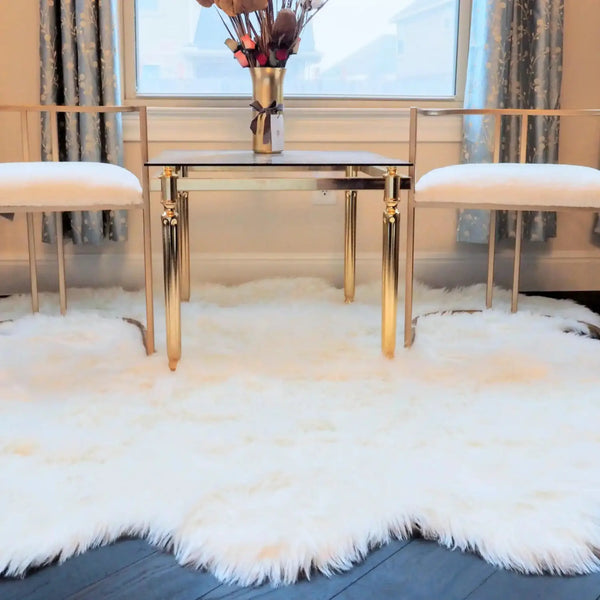
Enhancing Insulation with Rug Pads
Even the best rug can benefit from an insulating rug pad. A felt or natural rubber pad prevents cold air from passing through the rug and keeps it securely in place.
Benefits of rug pads:
-
Adds an extra thermal barrier
-
Increases rug lifespan by reducing friction
-
Improves comfort underfoot
Final Thoughts: Investing in the Right Rug for Cold Floors
Whether you choose wool rugs, hand-tufted rugs, or custom tufting rugs, the key is to prioritize dense, natural fibers and quality craftsmanship. A well-chosen insulated rug not only keeps floors warmer but also enhances your home’s style and energy efficiency. Adding a rug pad makes this solution even more effective.
If you’re serious about warming up your home, investing in the right rug will pay off in both comfort and long-term savings on heating costs.
Share