


How to Layer Rugs: A Complete Guide for Stunning Floors with Kitchen Rugs, Boutique Rugs & More
Layering rugs transforms ordinary floors into dynamic, multidimensional designs. Whether you're working with kitchen rugs, boho rugs, or grand 9x12 area rugs, understanding how to layer like a pro is essential. In this guide, Maia Homes teaches you how to mix textures, shapes, sizes, and patterns so that your space feels inviting, intentional, and visually exciting.
Why Layer Rugs? The Benefits of Texture & Depth
Layering rugs isn’t just for trends—it’s a design principle rooted in practical benefits:
-
Adds dimension: Combining a neutral base rug with a bold maximalist rug (like textured tribal or herbiage designs) gives depth
-
Protects floors: Underlaying a wide 9x12 area rug protects hardwood, while a durable runner rug preserves high-traffic zones
-
Defines zones: In open-plan spaces, a second rug can visually separate the kitchen, dining, and living areas
-
Increases comfort: Placing a plush wool rug over another base rug adds underfoot warmth
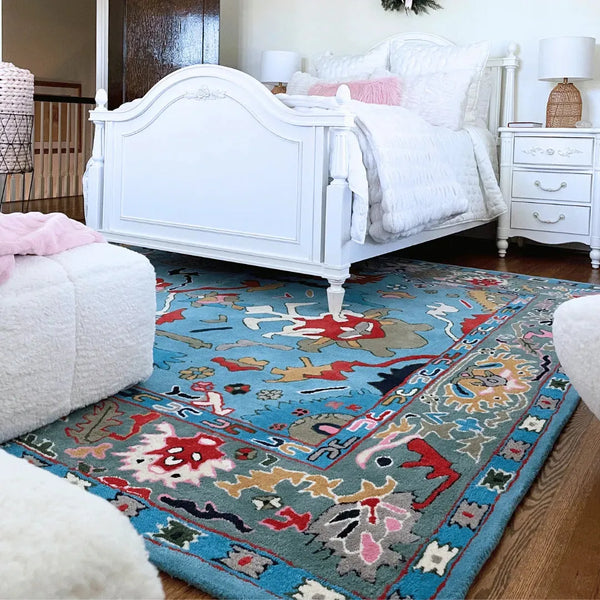
This layering technique is widely adopted in professional interior design.
1. Choose a Durable Base Rug (e.g., 9x12 Area Rugs, 8x10 Area Rugs)
Start with a solid foundation—a durable base rug. Options include:
-
9x12 area rugs or area rugs 8x10 for living rooms or under large dining tables
-
Rug pads to enhance longevity and prevent slipping
Choose neutral tones or subtle patterns for the base layer. A wool or synthetic base preserves a minimalist aesthetic when decorated later.
2. Add Mid-Layer Accent Rugs (Boutique Rugs, Maximalist Rugs)
Overlaying a boutique or maximalist rug yields visual flair. Consider:
-
Boutique rugs: handcrafted, artisanal pieces with unique, curated charm
-
Maximalist rugs: bold patterns, bright colors
Placement tips:
-
Center mid-layer rugs between sofa legs in living rooms
-
Use diagonal orientations to make eclectic art pieces pop
Select sizes one to two feet smaller on all sides than the base rug, e.g., placing a 6x9 boutique rug over a 9x12 wool rug.
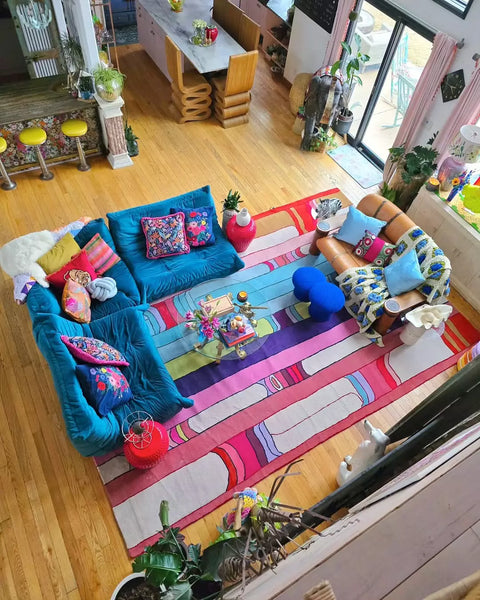
3. Layer with Kitchen Rugs & Kitchen Runner Rugs
In transitional zones like the kitchen:
-
Use kitchen rugs (often 4x6 or 5x7) directly on hard floors
-
Add a kitchen runner rug (e.g., 2x8) along prep areas
The kitchen base-layer can double as first layer, with a colorful runner adding function and personality.
4. Incorporate Round Rugs & Round Area Rugs
Circular rugs add softness and flow:
-
Place a round rug under circular tables
-
Combine a round area rug atop a rectangular area rug to break linear boundaries
This technique softens corners while retaining structure.
5. Design Entryway Rugs for Dramatic First Impressions
Entryway layering creates instant curb appeal:
-
Begin with a vinyl-scrubbable entryway rug
-
Add a textured boho rug—rag, kilim, or jute—for warmth
-
Tie in mats that align with your brand colors and social media presence
A layered hallway enhances the entry experience for guests, guiding them toward the home’s character.
6. Focus on Textures: Wool Rugs, Boho Rugs & Colorful Rugs
Effective layering depends on tactility:
-
Base layer: smooth, low-pile wool
-
Secondary rugs: shaggy wool, cotton dhurries, or plush boho rugs
-
Bright accents: high-contrast colorful rugs, kilims, or Moroccan overlays
This layering gives a luxurious, lived-in appearance.
7. Layering on Carpet: Pro Tips
All layering rules apply to existing carpet:
-
Use rug pads under each rug to prevent slippage
-
Choose contrasting textures—e.g., shag kitchen rug on low-pile carpet
-
Keep mid-layer rugs 6–12 in. smaller than carpeted room’s dimensions
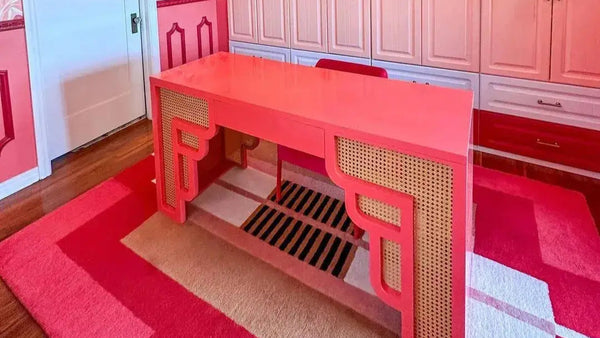
FAQ: How to Layer Rugs Like a Pro
How to layer rugs boho style?
Start with a neutral base—wool rug or flat weave—then layer colorful boho rugs with fringes and geometric rugs. Use mismatched sizes and overlapping edges for an eclectic effect.
How to layer rugs on carpet?
Employ high-quality, thick rug pads between layers to prevent movement. Mix rug proportions and anchor with furniture.
How to layer rugs like a pro?
Choose logical layering hierarchy (base → statement → accent), adjust size and scale strategically, and anchor layers with everyday furniture—sofa feet on the rug.
How to layer rugs living room?
Under the seating area, put a large wool 9x12. Top with a smaller boutique or maximalist rug under the coffee table or center. Consider rounded layering with a circular accent rug.
How to layer rugs diagonally?
Rotate your top rug by 30–45° relative to the base area rug. This trick energizes rectangular rooms or outlines asymmetrical furniture layouts.
How to layer outdoor rugs?
Choose sturdy, weather-resistant base layers (polypropylene). Overlay with machine-washable jute or cotton rugs—choose spill-resistant top layers like outdoor wool blends.
Entity-Based Recommendations & Tools
Rug Sourcing
-
Benefit of wool rugs: Naturally flame-resistant, eco-friendly, and resilient
Rug Pad Tools
High-quality rug pads ensure no slip and excellent ventilation under duos.
Design Software
Tools like home planners or room visualizers let you experiment with layered rugs digitally before purchasing.
Final Layering Checklist
-
Choose a neutral base (9x12 / 8x10 wool area rug)
-
Add a mid-layer statement rug (maximalist or boutique, ~2‑4 ft narrower)
-
Layer functional runners and mats in kitchens/entryways
-
Mix circular rugs for visual interest
-
Stack contrasting textures: flat weaves + wool + shag
-
Anchor with furniture
-
Use pads for safety and leveling
Effective rug layering seamlessly blends aesthetics, function, and comfort. With strategically chosen kitchen rugs, entryway rugs, boho rugs, and round rugs, you can create inviting, bespoke environments across your home.
Explore unique boutique and maximalist rugs at Maia Homes—where bold style meets artisan craftsmanship.