


How to Make a Rug: A Full Guide to Rug Tufting for Both New and Experienced Weavers
A lot of people like to make rugs, and it's a skill that pays off. Rug tufting is a creative and useful craft that can be used to make anything from do-it-yourself woven rugs to designs that look like they were made by professionals. This guide gives a full, step-by-step account of the tufting process. It also lists the tools and materials needed and answers common questions about how long it takes to make a rug.

By learning about what rug tufting is, how to do it by hand, and how to do it for beginners, you'll be able to make your own unique rugs and appreciate the art that goes into each tuft.

What Is Rug Tufting?
Using either a hand-held tufting tool or an electric tufting gun, yarn is pushed through a cloth backing in the process of rug tufting. With this method, soft piles are made that can be cut into sharp tufting designs or left looped for texture. Tufting is a much faster way to make something that looks good and lasts longer than hand-knotted weaving.
Professionals use tufting to make modern tufting art and complex rug tufting designs. Beginners can start by practicing with simple shapes. You can be as creative as you want with this method, whether you're making rugs with yarn at home or planning a wool tufting rug for a client.
How to Make a Tufted Rug: Step-by-Step Tufting Process
Learning how to hand tuft a rug involves understanding the right tools and workflow. The process follows six essential steps:
1. Build or Buy a Tufting Frame
A sturdy wooden frame holds the backing fabric tight. Stretch monk’s cloth or primary tufting cloth evenly to maintain consistent tension.
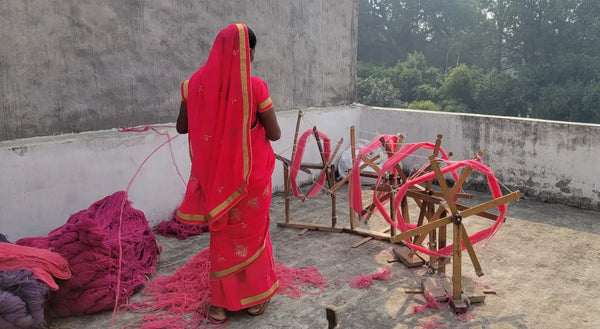
2. Select Your Yarn
Choose yarn depending on your design goals.
-
Wool tufting yarn delivers resilience, softness, and a premium finish.
-
Cotton or acrylic yarn is cost-effective and suitable for tufting for beginners.
3. Design the Rug Layout
Draw your rug making ideas on paper and lightly transfer them to the backing. Use chalk outlines or a projector for precision, especially for detailed tufting patterns.
4. Tuft Using a Rug Gun or Manual Tool
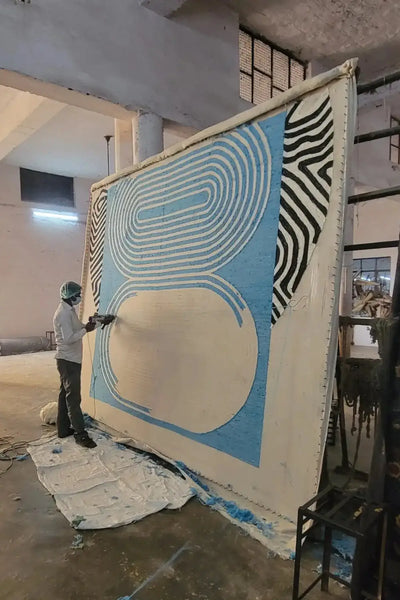
Push yarn into the cloth using an electric tufting gun for speed or a punch needle for manual control. Follow your sketched design carefully to bring your tufting art to life.
5. Glue and Finish the Backing
Apply carpet adhesive to secure the yarn. Add a secondary fabric backing for strength and to protect flooring.
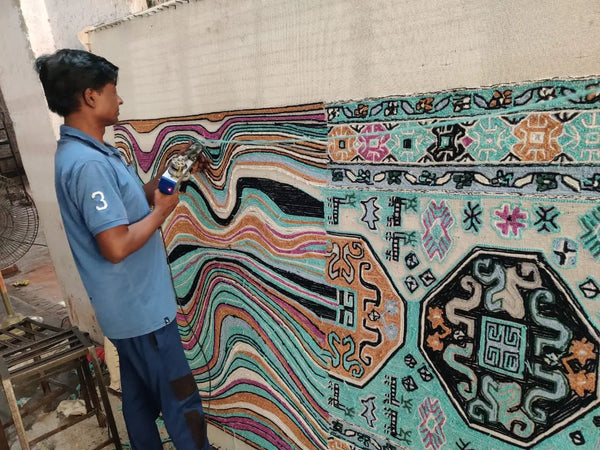
6. Trim and Shear for Precision
Use clippers or scissors to level the pile and refine edges, giving your rug a professional finish.
Tufting Tips for Better Results
Even experienced artisans refine their craft over time. These tufting tips improve efficiency and consistency:
-
Maintain even fabric tension to prevent irregular piles.
-
Use sharp shearing tools for clean, crisp edges.
-
Experiment with both cut and loop piles for extra dimension.
-
Start small with beginner projects before moving to larger rugs.
-
Select high-quality yarn to prevent fraying and ensure durability.
How to Make a Wool Rug vs. Other Materials
Wool is widely considered the finest choice for tufted rugs. Naturally stain-resistant, soft, and long-lasting, wool tufting rugs feel more luxurious and have superior wear resistance. Acrylic and cotton yarns are easier for beginners and budget-friendly, but professionals often choose wool to achieve the best results.

Tufting Art and Rug Making Ideas
Tufting is not limited to floor coverings. Modern makers use this craft to produce:
-
Wall hangings and tapestries
-
Decorative cushions and pillows with tufted patterns
-
Sculptural tufting art installations for interior accents
-
Personalized gifts featuring initials, logos, or unique motifs
Social media platforms like Instagram and TikTok showcase countless rug tufting designs and rug making ideas, inspiring both new and seasoned artisans to experiment with bold textures, shapes, and colors.
Frequently Asked Questions About Rug Tufting
How to make a wool rug?
Stretch monk’s cloth over a frame, tuft with 100% wool yarn using a manual punch tool or tufting gun, apply adhesive to secure fibers, attach a protective backing, and trim the surface to finish.
How to make a custom rug?
Choose quality yarn, design a unique pattern, and tuft according to your layout. Adding names, shapes, or logos transforms a standard rug into a personalized décor piece.
How long does it take to make a rug?
A small tufted rug can take 4–8 hours. Larger, intricate tufted rug DIY projects may require several days depending on detail and size.
How long does it take to make a Persian rug?
Authentic Persian rugs are hand-knotted, not tufted, and may take months—or even years—to complete. Tufted rugs, however, are much faster to produce while maintaining a handcrafted feel.
Final Thoughts: Why Learn Rug Tufting?
Learning how to make a tufted rug blends artistry with practical design. The tufting process empowers anyone—from hobbyists to professionals—to create high-quality rugs that rival store-bought options.
With thoughtful tufting tips, durable materials, and carefully planned tufting patterns, you can craft rugs that are both beautiful and long-lasting. Whether you’re experimenting with hand tufting for personal projects or exploring tufted rug DIY as a creative outlet, rug tufting is an art form with endless potential.
At Maia Homes, we value craftsmanship and celebrate makers who bring bold textures, patterns, and colors to life through tufting. Your next rug can be more than a décor item, it can be a reflection of your style and skill.
Share