


DIY Home Decorating Tips: A Step-by-Step Guide to Transform Your Space
Putting together your own home decor can be one of the most satisfying things you ever do. It gives you the freedom to be yourself, manage your money, and make a space that feels truly yours. It doesn't have to be hard to decorate your home yourself, whether you're starting from scratch or giving an old one a new look. If you know what you're doing, you can make an interior look as nice as a professional design.
This guide will show you how to decorate your home yourself, step by step, covering everything from planning your layout to choosing furniture, color schemes, and the finishing touches that make a room your own.
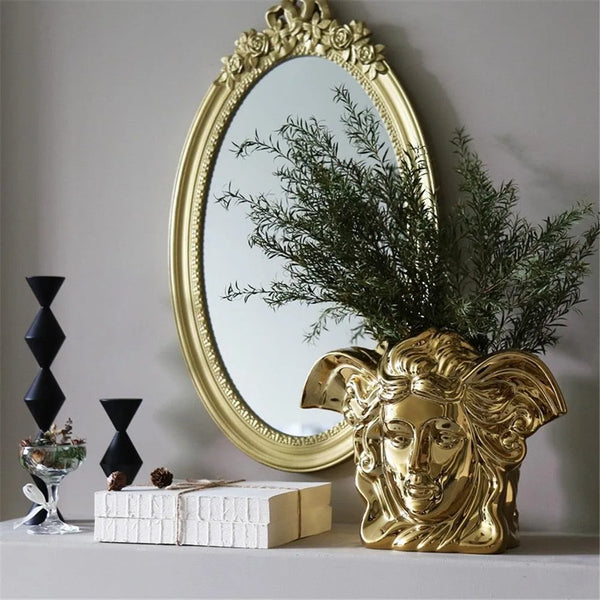
Where to Start with DIY Home Decorating
There needs to be a clear starting point for every decorating project. When you go shopping for furniture or paint the walls without a plan, things often don't go together and you waste money.
The first step is to look around your space. Take note of the shape, natural light, furniture, and general condition of each room as you walk through them. Figure out what you want to keep, what you can use again, and what you need to get rid of.
Making a vision board can also be helpful. You can do this online with sites like Pinterest or in real life with magazine cutouts and fabric swatches. This picture helps you make choices and makes sure that your style stays the same throughout the project.
Setting a Realistic DIY Decorating Budget
One good thing about decorating yourself is that you can pick and choose where to spend more and where to save money. You should spend your money on big-impact items like a solid wood dining table, a statement rug, or good lighting. Accessories, on the other hand, like throw pillows, wall art, and decorative vases, are often easy on the wallet.
Consider dividing your budget into categories:
- Essentials: Furniture, lighting, rugs.
- Aesthetics: Wall paint, curtains, art pieces.
- Final touches: Decorative accents, plants, small storage solutions.
By assigning a budget range to each, you prevent overspending in one area and neglecting another.
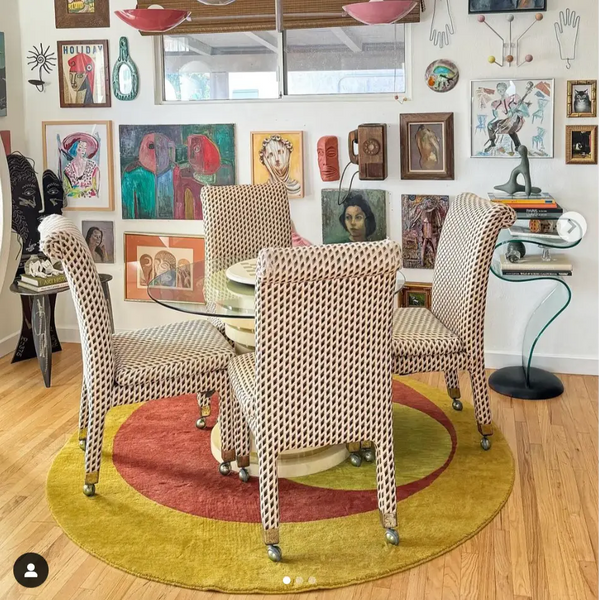
Choosing a Cohesive Color Scheme
The colors you choose for your home set the mood. A consistent color scheme makes each room feel like it was meant to be there.
Choose a neutral color like white, beige, soft gray, or taupe as your base color. This color can be used on walls and big pieces of furniture. Then, pick two or three accent colors that can be used on art, rugs, small pieces of furniture, and cushions.
If you don't know where to start, color schemes that are based on nature can help. Earthy greens, warm terracottas, and soft blues are classic and soothing.
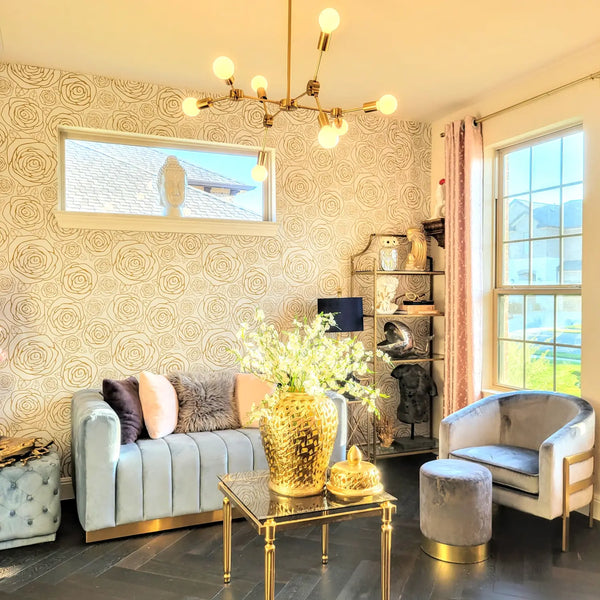
Arranging Furniture for Flow and Function
How your home feels depends a lot on where your furniture is placed. Badly placed furniture can make a room feel stifled, while well-placed furniture makes it easier to move around and talk.
When arranging furniture:
- Ensure there’s enough space to walk comfortably between items.
- Position seating to encourage interaction - sofas and chairs facing each other work well in living rooms.
- Keep focal points in mind such as a fireplace, TV, or large window and arrange furniture to highlight them.
If you’re dealing with a small room, consider multi-functional pieces like storage ottomans, sofa beds, or nesting tables.
Lighting: The Overlooked Decor Element
Lighting is often underestimated in DIY decorating. A balanced lighting plan layers three types:
- Ambient lighting: General illumination from the ceiling lights or large fixtures.
- Task lighting: The focused light for all other activities like reading or cooking.
- Accent lighting: The decorative lights that highlight artwork or architectural features.
Warm-toned bulbs create very cozy, inviting atmosphere, while cooler tones suit workspaces and kitchens.
Incorporating Textures for Depth
A well-decorated room appeals not only to the eye but also to the sense of touch. Adding different textures, smooth glass, rough wood, soft textiles, and shiny metals prevents a flat, one-dimensional look.
Consider layering:
- A plush rug over hardwood floors.
- Velvet cushions on a linen sofa.
- Rattan baskets for storage alongside sleek ceramic vases.
Mixing textures makes your space more visually engaging and comfortable.
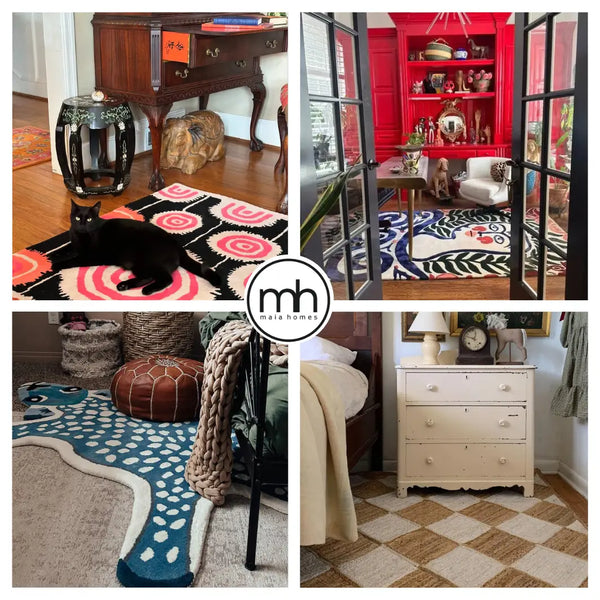
Using Rugs to Anchor Spaces
Especially in open-plan homes, rugs are a great way to add style. They help separate rooms. For example, putting a big area rug under your couch visually separates the living room from the dining room.
Pick the light-colored rugs for small rooms to make them look bigger and choose long-lasting materials like wool or synthetic blends for the areas that get a lot of use.
Adding Personality with Wall Decor
To be honest, bare walls can make even a furnished room feel unfinished. Wall decor, whether it’s framed art, mirrors, or DIY gallery walls, brings personality and warmth to your room.
When hanging art:
- Keep the center of the piece at eye level.
- Group smaller frames into a cohesive arrangement rather than scattering them.
- Mix media; combine photographs, paintings, and 3D elements for variety.
Bringing Nature Indoors
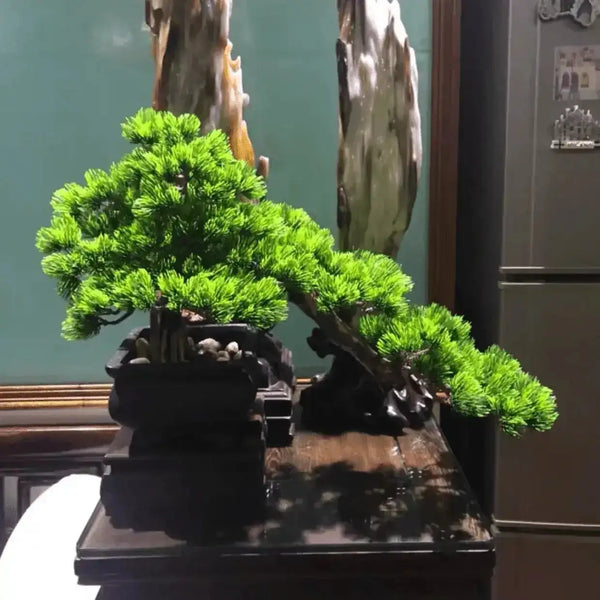
Houseplants are more than just trendy decorations; they also clean the air and make rooms feel more natural and calm.
Start with easy-to-take-care-of plants like peace lilies, pothos, or snake plants if you don't have a green thumb. For a polished look, put them in planters that match the color scheme of your room.
DIY Furniture Makeovers
In this case, not every furniture update requires buying new pieces. With a little of creativeness, you can transform your space with what you already have.
Some ideas include:
- Painting an old dresser in a bold accent color.
- Reupholstering dining chairs with fabric that has patterns on it.
- Add new hardware like brass knobs to the outdated cabinets.
These small changes can dramatically refresh a piece without the expense of replacing it.
Seasonal Decorating Touches
Small changes in your home decor throughout the year keep it feeling new without having to do a full makeover.
Use light linens, floral prints, and pastel colors in the spring and summer. It's fall and winter, so switch to warm lighting, soft textures, and shades.
This way of doing things also lets you try out styles that you might not want all year.
Conclusion
Doing your own home decor is a fun way to express your creativity and make your living space more comfortable. Without hiring a professional designer, you can make your home feel stylish and comfortable by making a clear plan, picking a color scheme that goes with everything, adding personal touches, and layering textures.
Don't forget that your house should show who you are. Every choice, from an accent wall painted by hand to a coffee table that has been fixed up, gives the room personality and meaning. The key is to find the right balance between style and function to make a room you'll love coming home to every day.
FAQs about DIY Home Decorating
1. How do I start decorating my home from scratch?
First, look at the space, decide how much you can spend, and pick a color scheme. After that, choose the furniture you need before moving on to decorations and other items.
2. What’s the easiest DIY decor project for beginners?
Painting a room or putting down a statement rug are easy projects that will make a difference right away.
3. How can I make a small room look bigger?
To make it look like there is more space, use light colors, mirrors, and furniture that can be used for more than one thing.
4. Is it cheaper to decorate your home yourself?
Yes, firstly DIY decorating saves your labor costs and allows you to control spending by prioritizing purchases.
Share